

100%
In the UK there has never been a fire death in a building with a fully maintained sprinkler system.
99%
Fires are extinguished or controlled in 99% of sprinkler protected properties
70%
Reduce average property loss by up to 70%
*National Fire Sprinkler Network Report 2017
Domestic Fire Sprinklers for Homes in the UK
Domestic systems are those designed for use in private residences usually occupied by a single family.
Fire sprinklers are now widely used as part of the fire strategy in new-build homes, but building regulations may also require them to be fitted during building renovations – particularly if you’re planning a large domestic open plan space or converting a loft.
Even if they’re not required, domestic sprinklers are still your home’s best defence against fire and can be designed to cover all or just part of your property. The type of system you’ll need will depend on the pressure of your mains water, but installation is often straightforward, and once the system is installed you’ll barely notice its there. Pipework can be hidden under floorboards and sprinkler heads fitted flush to ceilings.
Your home is the most precious place on earth. It’s where you keep your most valued possessions and treasured memories. But in the event of a fire, everything in your home could be lost. Perhaps in as little as a few minutes.
That’s less time than it takes the fire brigade to arrive. It could even be less time than it takes for the alarm to be raised.

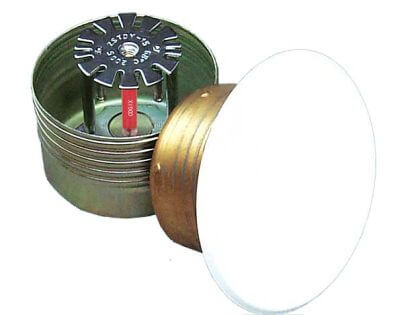
Domestic Fire Sprinklers
A domestic sprinkler system from NFS is your home’s first line of defence against fire. It will contain and control a fire within seconds of it breaking out.
That’s precious time for you and your loved ones to escape and for your possessions to be saved.


Here at Nationwide Fire Sprinklers we regularly install into new housing estates as well as single dwellings.
Some of our house building partners build high end homes where they prefer the extra USP of having their customers new home, contents, families and pets protected and saved from the ravages of a fire in their home by our modern domestic sprinkler systems.
We are the go to sprinkler installer for the very best designer homes by Guy Phoenix who builds for the wealthiest UK . USA and European clients . You can see some of the properties we have been his partners on at guyphoenix,com
In Wales we install domestic sprinkler systems into whole housing estates as the Welsh government legislated for sprinklers in all new homes back in 2014.

£50m Church Conversion
Sprinkler System Design & Installation
Our credentials in the luxury property market could not be more impressive

What have you got to lose?
Contact
SALES
Freephone: 0800 028 9911
Alternative Tel: 0115 998 7391
Fax: 0871 266 8911
E-mail: [email protected]
SERVICE AND PROJECTS
Telephone: 0800 028 9911
Fax: 0871 266 8911
Request a call back or send full floor plans for a quotation

